About Changyuan
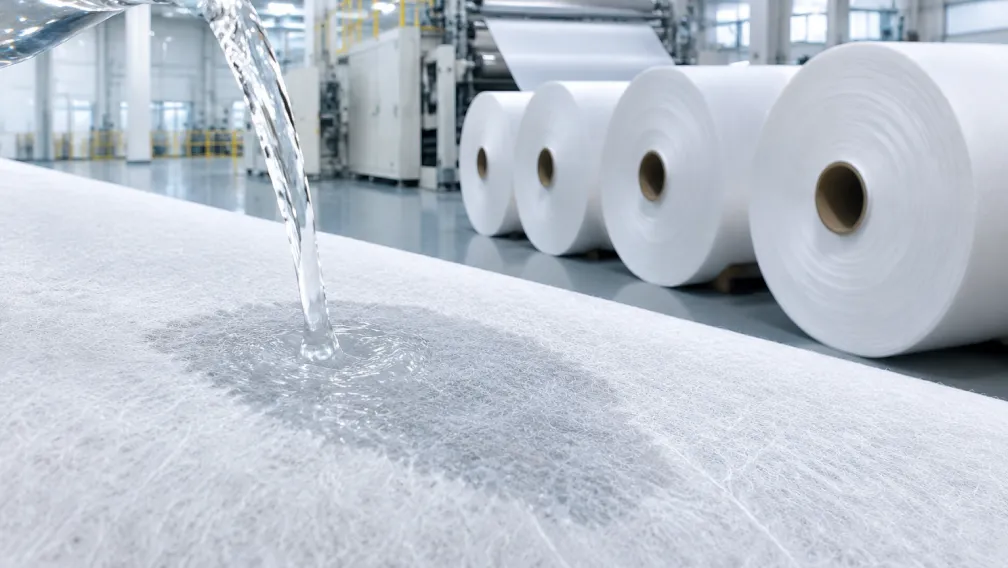
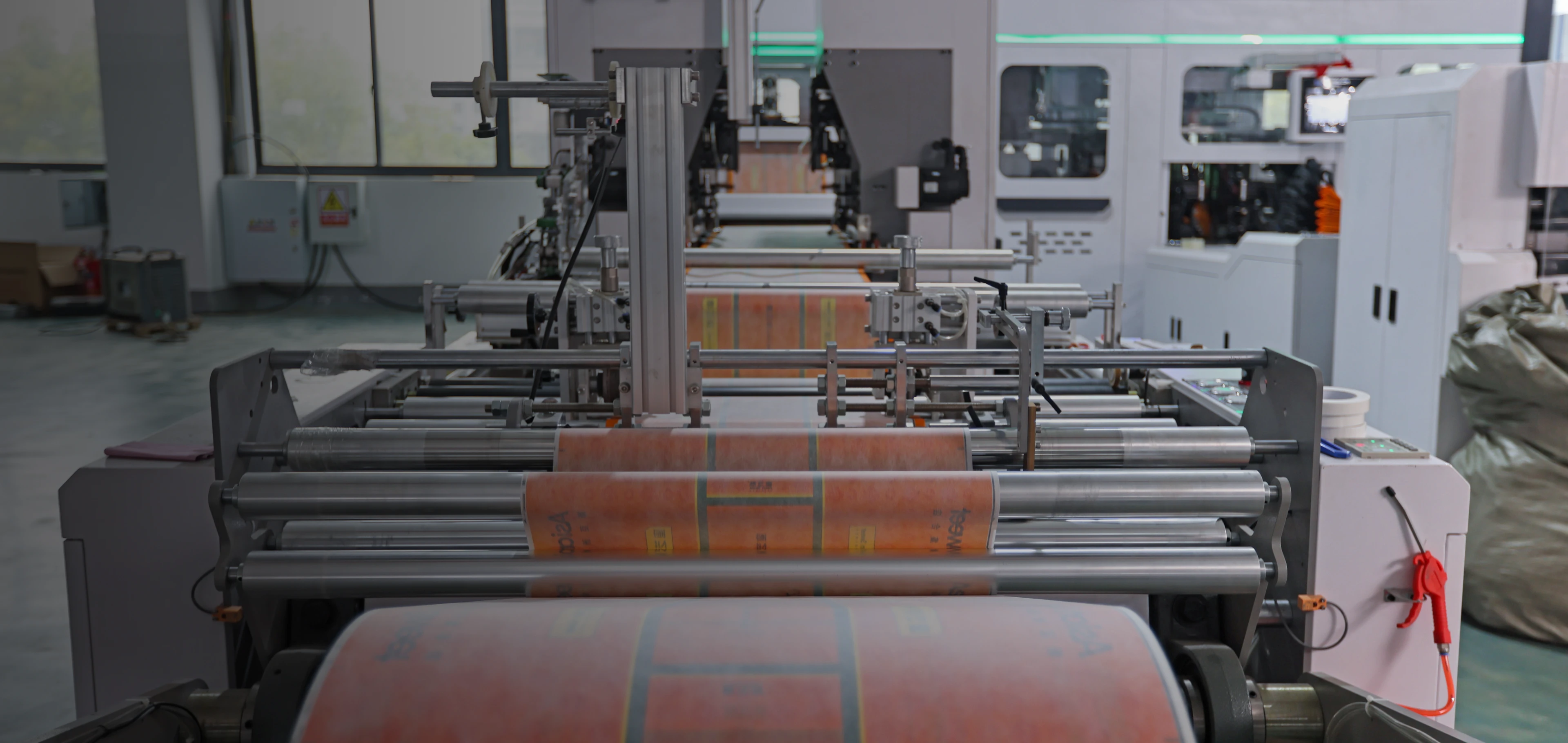
Most businesses face inconsistent packaging quality when working through trading companies. At Changyuan, you deal directly with the source. We control the entire process: melting raw PP into fabric, printing your design with 7-color gravure presses, and assembling the final product. No middlemen, no surprises.
Our 200,000-piece daily capacity handles test runs and large retail rollouts equally well. We stock multiple fabric weights in-house, so your custom order starts within days, not weeks. ISO9001 certified with full testing reports for retail compliance. English-speaking support and factory tours available.
Whether you need 5,000 branded bags for a product launch or 500,000 units for grocery chains, you get factory pricing and consistent results.
Our Changzhou factory runs three complete production lines across 15,000 square meters. We handle everything in-house: fabric extrusion, printing, cutting, sealing, and quality inspection. This integrated setup means faster turnaround and tighter quality control than outsourced operations.
· Factory-Direct Pricing
· Flexible MOQ, Trial Orders Supported
· Full OEM/ODM Support
· Mixed Orders Welcome
· FOB/CIF/DDP Terms
· Fast Sampling (5-7 days)
· Bulk Production (15-20 days)
· English Communication & Support
From small businesses to national chains, see how our nonwoven products solve real packaging challenges.


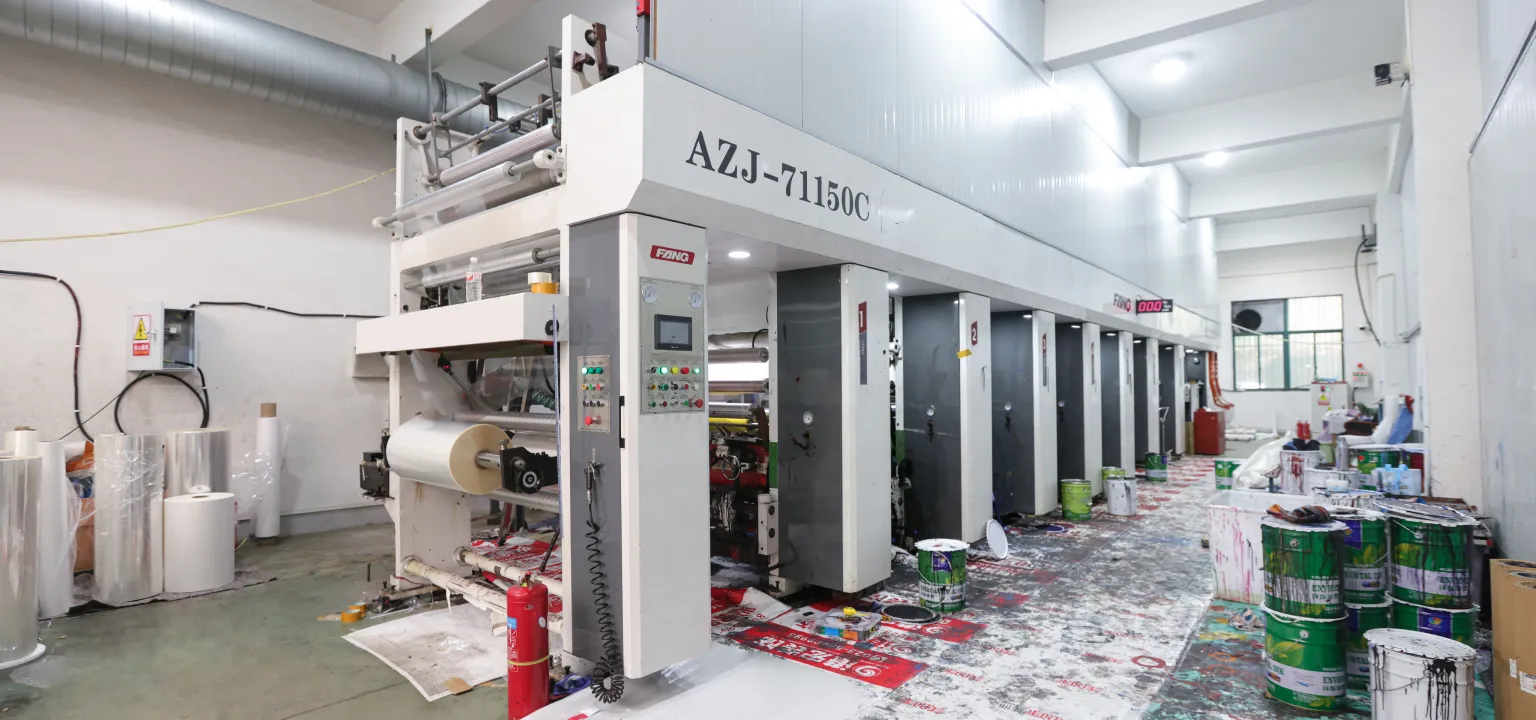
7-color gravure printing delivers precise color reproduction. Ultrasonic welding creates strong, uniform seams. Automated bag-making equipment maintains dimensional accuracy across high-volume runs.
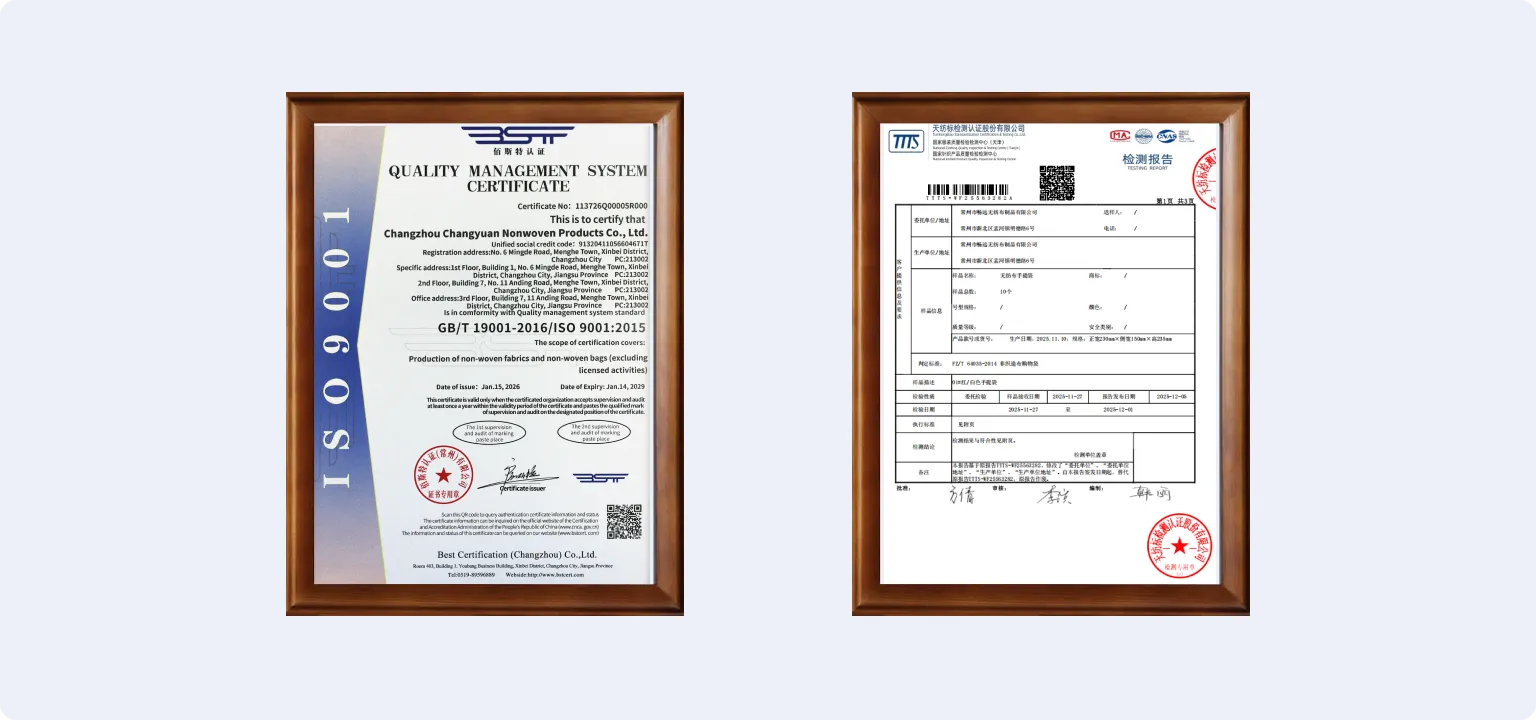
Every product batch comes with complete lab reports covering fabric weight, tensile strength, color fastness, pH value, formaldehyde, and banned substances. All testing meets GB 18401-2010 standards.
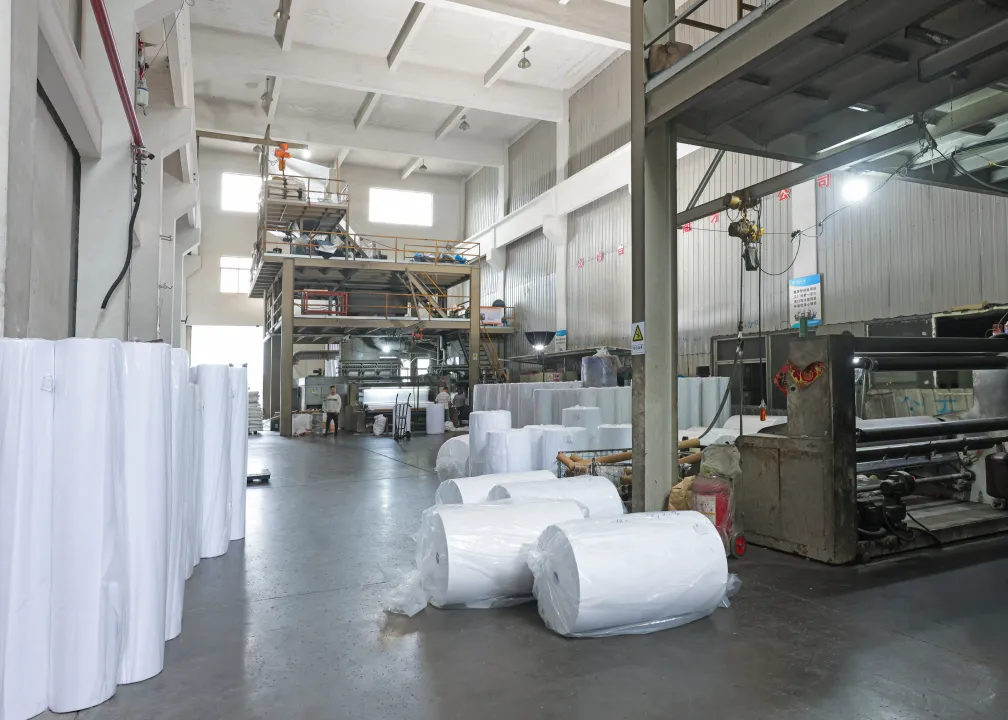
We control every step from fabric extrusion to finished bag assembly. This integrated process ensures consistent quality.
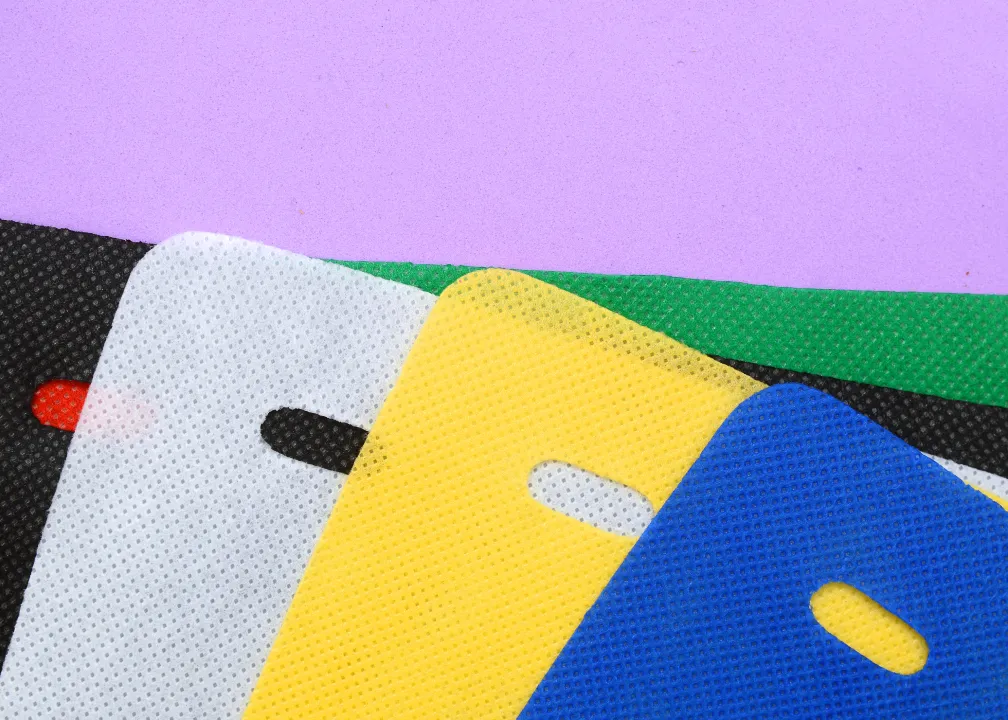
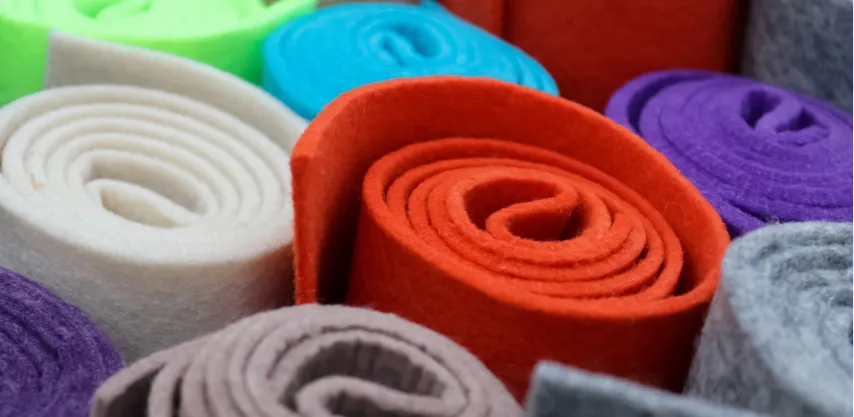
We use only virgin polypropylene pellets - no recycled content. This creates lightweight, cotton-like fabric that's recyclable and maintains consistent strength and color quality.
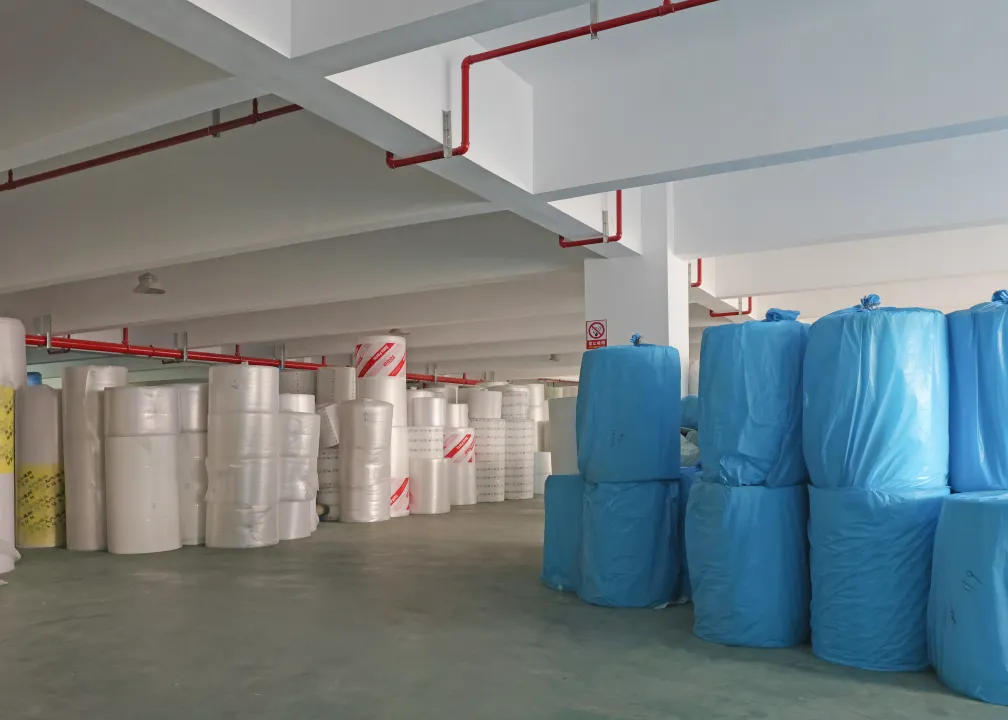
Final inspection before container loading confirms your specifications are met - dimensions, printing quality, packaging count, and overall condition.
Industry Solutions

"Just received the cooler bags samples, quality looks solid. The lamination is clean, no wrinkles, and the aluminum foil layer feels thick enough. Our client approved them already, so let's move forward with the 20,000 pcs order. Thanks for the quick turnaround on samples!"
Food Delivery Platform Manager, Australia
"Hi Kevin, the floor protection film arrived yesterday. Tested on site, holds up well. Our crew said it's working fine, no issues so far. We'll need another container for next season. Good quality."
Construction Supply Distributor, Canada
"Lisa, thank you for working with us on the mixed order. Having both T-shirt bags and handle bags in one shipment saved us a lot on freight. Print quality came out great, our retail partners are happy with the colors. We appreciate your team's flexibility, especially with the tight timeline we had."
Retail Chain Procurement, UK
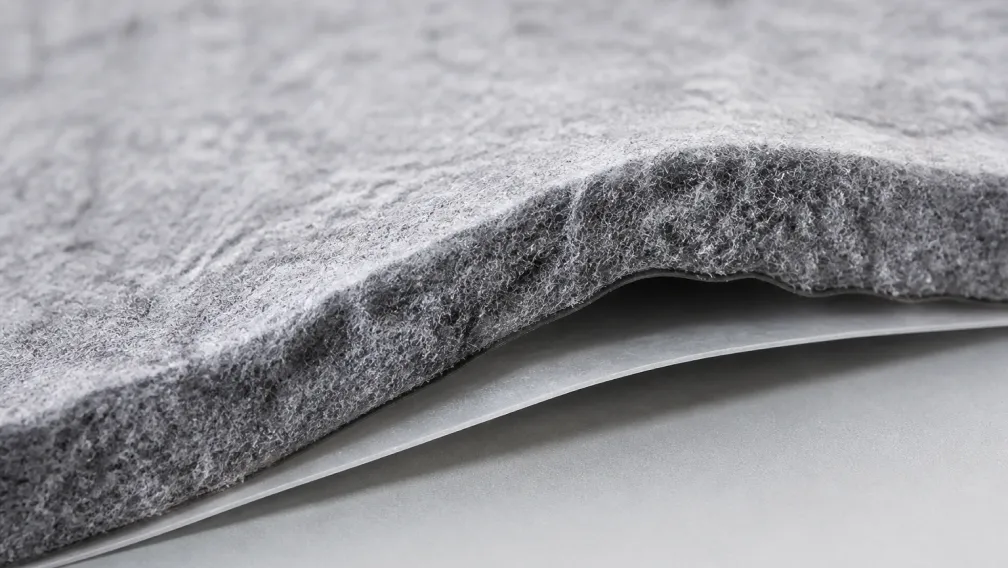
The insulated bag utilizes a three-layer composite structure consisting of an outer reverse-printed BOPP film, a middle polypropylene (PP) non-woven substrate, and an inner heat-sealed aluminum foil lining acting as a radiant barrier. This construction maintains temperature for hot or cold contents for approximately 2 to 4 hours under standard ambient conditions.
Gravure-printed bags use a reverse-printing and thermal lamination method: graphics are printed onto BOPP film before bonding to the non-woven fabric. Each individual color separation requires an electronically engraved steel cylinder. Tooling costs are calculated directly from cylinder dimensions (circumference and length) and the total number of colors. Cylinder fee waivers apply to qualifying high-volume orders.
Standard production lead time is 15–20 business days after sample approval and deposit receipt. Orders with complex customization, large quantities, or during peak season may require 25–30 business days. We recommend planning ahead and sharing your target delive
Minimum order quantities depend on the product category: Rotogravure Laminated Non-Woven Bags: 10,000 to 20,000 pieces (determined by cylinder press setup minimums). PP Non-Woven Fabric Rolls: 1 to 2 metric tons. Agricultural Mulch Film: 1,000 square meters.
Yes. Tiered pricing applies at volume breaks of 10,000, 100,000, and 300,000 units. Cylinder tooling fees are waived for production orders reaching 200,000 pieces (for 2–3 color designs) or 300,000 pieces (for 4-color designs).
Standard fabric weights are 80 GSM, 90 GSM, and 100 GSM. 100% virgin polypropylene resin provides higher tensile strength, greater puncture resistance, and uniform optical brightness. Recycled material reduces unit cost but exhibits lower tear strength and higher brittleness due to polymer degradation during thermal reprocessing.
Rotogravure printing maintains high color consistency across production lots through automated ink viscosity control and precise electronic cylinder engraving. While minor Delta E variance can occur across different resin batches, production colors are formulated against Pantone Matching System (PMS) standards to remain within standard commercial tolerances.
Standard PP non-woven bags serve as secondary packaging and are not rated for direct contact with unpackaged food. Custom composite linings complying with FDA or EU food-contact standards can be manufactured upon request during RFQ specification. Raw PP fabric complies with REACH and RoHS standards, and functional surface treatments are limited to anti-static and UV resistance formulations.
Rotogravure lamination prints full-color (CMYK) graphics onto a protective film prior to bonding, providing water resistance and high-resolution photographic clarity; however, the multi-material structure cannot be recycled through standard mono-material streams. Screen printing applies spot inks directly onto the non-woven surface, maintaining mono-material PP recyclability but limiting graphic reproduction to lower resolutions and fewer colors.
Yes, pre-production physical samples are available prior to mass production. Artwork must be supplied in vector formats (AI, CDR, or vector PDF) with fonts outlined and colors referenced in Pantone (PMS) codes. Pre-press proofs are issued for verification, and artwork layout assistance is available if source files require optimization.
Production lots undergo quality control inspections covering raw materials (IQC), in-line processing (IPQC), and pre-shipment audits (OQC) under AQL